






Popular Supplement Ingredients Explained: Benefits, Dosage & Evidence
Ever noticed how some supplements actually make a difference while others feel like they do nothing at all?
More often than not, it’s not the brand that matters — it’s the ingredients, their quality, and how they’re formulated.

Walk into any supplement store or scroll online, and you’ll see hundreds of brands promising better energy, sleep, gut health, or longevity. In fact, global dietary supplement usage is estimated at 50–70% of adults in developed markets, with stress, immunity, and energy being the most common reasons for use.
But here’s the real question: do you know what you’re taking and why?
This guide is designed for health-conscious adults who want clarity in a noisy supplement industry—where marketing claims often move faster than science.
Instead of focusing on brand names, we’ll break down supplement ingredients, how they work, what research actually supports, and how to use them safely. The goal is simple: help you make informed, confident decisions grounded in evidence rather than hype.
How We Evaluate Supplement Ingredients
Not all dietary supplement ingredients are created equal. To separate evidence from marketing claims, we use a structured, evidence-based evaluation framework:
|
Evaluation Area |
What We Look For |
|
Scientific evidence |
Human clinical trials, meta-analyses, and consistency of findings |
|
Traditional use |
Historical use in systems like Ayurveda or Traditional Chinese Medicine, where relevant |
|
Safety & dosage |
Clinically studied dosage ranges, tolerability, and known interactions |
|
Regulatory considerations |
Ingredient acceptance, quality standards, and labeling practices (UAE & global) |
This balanced approach allows us to explain supplement ingredient benefits without overstating claims or ignoring risks—a common issue in consumer-facing supplement content.
Popular Supplement Ingredients Explained
Below are some of the most widely used supplement ingredients today. Each overview is introductory and intended to provide context, with deeper ingredient-specific guides available separately.
1. Ashwagandha (Withania somnifera)
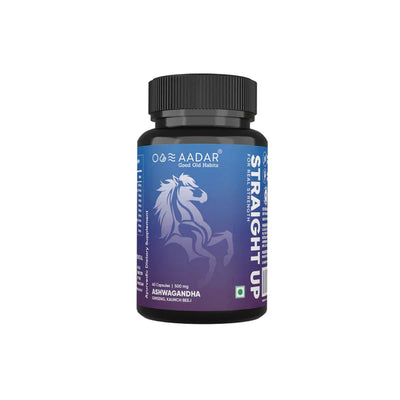
Also known as Indian ginseng or winter cherry, ashwagandha is an adaptogenic herb traditionally used in Ayurveda for stress resilience and vitality. Modern research supports some of these traditional claims. Randomized controlled trials have shown that standardized ashwagandha extracts can help reduce perceived stress and cortisol levels, with measurable improvements observed within 8–12 weeks in adults experiencing chronic stress.
Its effects are largely attributed to withanolides, bioactive compounds that influence the body’s stress response. While generally well tolerated, dosage and extract quality matter—particularly for individuals with thyroid disorders or those using sedative medications.
|
Key Uses |
Stress, sleep, resilience |
|
Typical Dosage |
300–600 mg standardized extract |
|
Evidence Level |
Moderate human clinical evidence |
Learn more about Ashwagandha: Benefits, Dosage, Side Effects & Safety
Shop - Ashwagandha Supplements
2. Shilajit (Mineral Pitch, Asphaltum)
Shilajit is a mineral-rich resin traditionally used in Ayurveda to support energy and vitality. It contains fulvic acid and trace minerals that may support mitochondrial function, a key factor in cellular energy production. Preliminary human and mechanistic studies suggest benefits related to fatigue resistance and nutrient absorption.
However, quality is critical. Studies have shown that unpurified shilajit samples can contain heavy metals, making lab testing and purification essential. It’s not a stimulant and should not be treated as one—many claims online exaggerate its effects beyond what evidence currently supports.
|
Key Uses |
Energy support, vitality |
|
Typical Dosage |
250–500 mg purified extract |
|
Evidence Level |
Emerging human and mechanistic evidence |
Read about Shilajit: Benefits, Dosage, Side Effects & Safety
3. Magnesium
Magnesium is an essential mineral involved in over 300 enzymatic reactions, including muscle contraction, nerve signaling, glucose metabolism, and sleep regulation. Population studies suggest that a significant percentage of adults fail to meet recommended magnesium intake through diet alone, which partly explains its widespread use as a supplement.
Clinical trials have shown that magnesium supplementation may improve sleep quality, reduce muscle cramps, and alleviate stress-related symptoms, depending on the form used. Excess intake, however, can lead to gastrointestinal discomfort—especially with poorly absorbed forms.
|
Key Uses |
Sleep, muscle function, stress |
|
Typical Dosage |
200–400 mg elemental magnesium |
|
Evidence Level |
Strong nutritional and clinical evidence |
Discover more about Magnesium: Benefits, Types Explained, Dosage, Side Effects & Safety
4. Omega-3 Fatty Acids (EPA & DHA)
Omega-3 fatty acids, particularly EPA and DHA, are structural components of cell membranes and play a role in cardiovascular, neurological, and inflammatory pathways. Large systematic reviews, including Cochrane analyses, show consistent benefits for triglyceride reduction and cardiovascular risk markers.
Despite strong evidence, confusion persists around dosage and quality. Studies indicate that many fish oil supplements contain lower EPA/DHA levels than stated or are oxidized, which is why third-party testing is important.
|
Key Uses |
Heart, brain, inflammation balance |
|
Typical Dosage |
1–2 g combined EPA/DHA |
|
Evidence Level |
Strong clinical evidence |
5. Collagen
Collagen is the most abundant protein in the human body, forming the structural framework of skin, joints, and connective tissue. Supplementation provides amino acids like glycine and proline, which support endogenous collagen synthesis. Clinical studies show improvements in skin elasticity and joint comfort after consistent intake over 8–12 weeks, especially when paired with vitamin C.
It’s not a complete protein and should not replace dietary protein sources—an important distinction often missed in marketing narratives.
|
Key Uses |
Skin, joints, connective tissue |
|
Typical Dosage |
5–10 g hydrolyzed collagen |
|
Evidence Level |
Moderate clinical evidence |
6. Probiotics
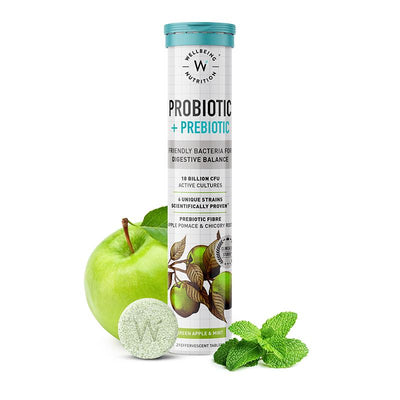
Probiotics are live microorganisms that help support gut microbiome balance. Evidence consistently shows that benefits are strain-specific, meaning outcomes depend on the exact bacterial strains used. Lactobacillus and Bifidobacterium species are among the most studied.
Misuse is common when probiotics are taken without understanding strain relevance, duration, or clinical purpose—leading to inconsistent results.
|
Key Uses |
Gut health, immune support |
|
Typical Dosage |
1–10 billion CFU (strain-dependent) |
|
Evidence Level |
Moderate to strong, strain-specific |
Shop - Probiotics
7. Multivitamins
Multivitamins are designed to help fill nutrient gaps rather than treat deficiencies. Large population studies have shown mixed results, largely because the benefits depend on baseline nutritional status, formulation quality, and individual needs. Excess intake of fat-soluble vitamins (A, D, E, K) can pose risks, reinforcing that more is not always better.
|
Key Uses |
Nutrient gap support |
|
Typical Dosage |
Formula-dependent |
|
Evidence Level |
Mixed, population-dependent |
Read about Multivitamins: Benefits, Types, Dosage, Side Effects & Safety — Do You Really Need One?
Supplement Safety, Quality & Regulation
Understanding safety is just as important as understanding benefits. Unlike medicines, supplements are regulated as foods in many regions, which places greater responsibility on consumers to assess quality.
|
Quality Factor |
Why It Matters |
|
Purity |
Reduces the risk of contaminants and fillers |
|
Heavy metal testing |
Especially important for minerals and botanicals |
|
Certifications |
GMP and third-party testing improve reliability |
Ingredient literacy is therefore essential—not optional.
How to Choose the Right Supplement for Your Goal
|
Goal |
Commonly Used Ingredients |
|
Energy |
Magnesium, omega-3s, shilajit |
|
Stress |
Ashwagandha, magnesium glycinate |
|
Sleep |
Magnesium, select adaptogens |
|
Gut health |
Probiotics (strain-specific) |
|
Skin & hair |
Collagen, omega-3s |
Conclusion – Using Supplements Wisely
Supplements are tools, not shortcuts. Evidence shows they can be effective when used appropriately—but misuse, overdosing, and poor-quality products remain common. By understanding supplement ingredients through data and context, you can move beyond marketing claims and choose products that genuinely support your health goals.
References
Abbasi, B., Kimiagar, M., Sadeghniiat, K., Shirazi, M. M., Hedayati, M., & Rashidkhani, B. (2012).
The effect of magnesium supplementation on primary insomnia in the elderly: A double-blind placebo-controlled clinical trial. Journal of Research in Medical Sciences, 17(12), 1161–1169.
Abdelhamid, A. S., Brown, T. J., Brainard, J. S., et al. (2020).
Omega-3 fatty acids for the primary and secondary prevention of cardiovascular disease. Cochrane Database of Systematic Reviews, 3, CD003177.
https://doi.org/10.1002/14651858.CD003177.pub4
Carrasco-Gallardo, C., Guzmán, L., & Maccioni, R. B. (2012).
Shilajit: A natural phytocomplex with potential procognitive activity. International Journal of Alzheimer’s Disease, 2012, 674142.
https://doi.org/10.1155/2012/674142
Chandrasekhar, K., Kapoor, J., & Anishetty, S. (2012).
A randomized double-blind placebo-controlled study of Ashwagandha in stress reduction. Indian Journal of Psychological Medicine, 34(3), 255–262.
https://doi.org/10.4103/0253-7176.106022
Hill, C., Guarner, F., Reid, G., et al. (2014).
Expert consensus document on the scope and appropriate use of the term probiotic. Nature Reviews Gastroenterology & Hepatology, 11(8), 506–514.
https://doi.org/10.1038/nrgastro.2014.66
Lopresti, A. L., Smith, S. J., & Drummond, P. D. (2019).
An investigation into the stress-relieving effects of Ashwagandha extract. Medicine, 98(37), e17186.
https://doi.org/10.1097/MD.0000000000017186
NIH Office of Dietary Supplements. (2023).
Dietary supplement fact sheets. National Institutes of Health.
https://ods.od.nih.gov
Proksch, E., Segger, D., Degwert, J., Schunck, M., & Zague, V. (2014).
Oral supplementation of collagen peptides and skin physiology. Skin Pharmacology and Physiology, 27(1), 47–55.
https://doi.org/10.1159/000351376
Volpe, S. L. (2013).
Magnesium in disease prevention and overall health. Advances in Nutrition, 4(3), 378S–383S.
https://doi.org/10.3945/an.112.003483