








Supplements for Energy Without Caffeine Crashes: A Natural Approach
Why Energy Doesn’t Have to Come From Caffeine?
Many of us rely on coffee or energy drinks to get through the day, but frequent caffeine use can lead to energy crashes, irritability, and disrupted sleep patterns (Smith, 2002).
While caffeine gives a quick boost, it’s often followed by a dip in energy that can reduce productivity and leave you feeling drained.
Fortunately, there are natural, caffeine-free supplements that provide sustained energy, supporting your body’s own energy production mechanisms without the jitters or crashes.
How We Evaluate Energy Supplements
When selecting energy supplements, we consider the following factors:
-
Scientific Evidence: Clinical studies showing improvements in energy, fatigue reduction, or mental alertness without caffeine.
-
Ingredient Relevance: Compounds that support steady, long-lasting energy (e.g., adaptogens, B-vitamins, magnesium).
-
Safety & Dosage: Evidence-based dosages to avoid overstimulation or adverse effects.
-
Regulatory Considerations: UAE-approved and clinically tested supplements.
Key Ingredients for Energy Without Caffeine
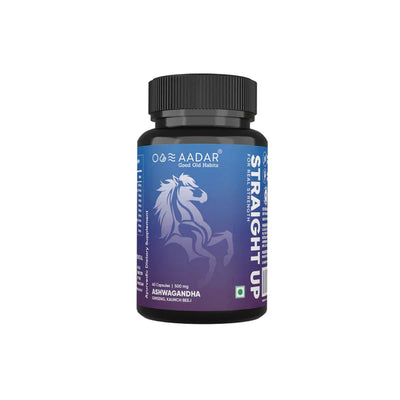
1. Adaptogens (e.g., Ashwagandha, Rhodiola)
Adaptogens are plant compounds that help the body resist stress and maintain balance.
Benefits for energy:
-
Reduce fatigue and improve resilience to stress
-
Support hormonal balance and reduce cortisol spikes
-
Enhance mental alertness and endurance
Dosage:
-
Ashwagandha: 300–600 mg/day of standardized extract (Chandrasekhar et al., 2012)
-
Rhodiola Rosea: 200–400 mg/day (Edwards et al., 2012)
Adaptogens deliver sustained energy without the crash associated with caffeine, making them ideal for daily energy support or pre-workout use.
2. Magnesium
Magnesium plays a central role in ATP production, the energy currency of cells. Low magnesium can lead to fatigue, muscle cramps, and poor sleep (de Baaij et al., 2015).
Benefits for energy:
-
Supports mitochondrial energy production
-
Reduces muscle fatigue
-
Improves sleep quality, indirectly boosting daytime energy
Dosage: 300–400 mg/day (as magnesium citrate or glycinate).
3. B-Vitamins (e.g., B6, B12)
B-vitamins are cofactors in energy metabolism, converting carbohydrates, fats, and proteins into usable energy. Deficiencies can cause fatigue, weakness, and poor concentration.
Benefits:
-
Support steady energy production throughout the day
-
Improve cognitive function and mood
-
Reduce fatigue in individuals with B-vitamin deficiencies
Dosage:
-
Vitamin B6: 1.3–2 mg/day
-
Vitamin B12: 2.4 mcg/day (Institute of Medicine, 1998)
4. Iron (for Deficient Individuals)
Iron is essential for oxygen transport via hemoglobin. Low iron impairs oxygen delivery to tissues, leading to fatigue and low energy (Beard, 2001).
When to supplement:
-
Only if diagnosed with iron deficiency through blood tests
-
Typical dosage: 18 mg/day for adults, or as recommended by a healthcare provider
Iron supplementation can dramatically improve energy in deficient individuals, but excess iron can be harmful, so testing before supplementation is crucial.
Quick Comparison Table
|
Ingredient |
Primary Role |
Benefits |
Recommended Dosage |
|
Ashwagandha |
Adaptogen |
Reduces fatigue, stress resilience |
300–600 mg/day |
|
Rhodiola |
Adaptogen |
Improves mental and physical energy |
200–400 mg/day |
|
Magnesium |
Cellular energy & muscle function |
Reduces fatigue, supports ATP |
300–400 mg/day |
|
B-Vitamins |
Energy metabolism |
Supports sustained energy & cognition |
B6: 1.3–2 mg/day; B12: 2.4 mcg/day |
|
Iron |
Oxygen transport |
Reduces fatigue if deficient |
18 mg/day (if deficient) |
How to Choose the Right Energy Supplement
Match supplements to your energy goals:
-
Daily energy: B-vitamins, magnesium, and adaptogens
-
Pre-workout support: Rhodiola or Ashwagandha
-
Fatigue management: Iron if deficient, magnesium for energy metabolism
Example: “If you’re looking for natural energy without caffeine crashes, consider supplements with Rhodiola or B-vitamins.”
Supplement Safety, Dosage & Quality Considerations
-
Stick to evidence-based dosages to avoid overstimulation.
-
Avoid taking multiple stimulatory supplements together.
-
Check for UAE-approved, clinically tested products.
-
Combine supplementation with healthy sleep, nutrition, and exercise for optimal results.
FAQs About Energy Supplements
1. How soon will I feel energy from these supplements?
Adaptogens may take 1–2 weeks for noticeable effects, while B-vitamins and magnesium support ongoing cellular energy over time.
2. Can I combine these energy supplements with caffeine?
Yes, but combining multiple stimulants can increase jitteriness. Adaptogens and B vitamins are generally safe with moderate caffeine.
3. How do I know which energy supplement is right for me?
Identify your main concern—stress, fatigue, or low energy—and select supplements targeting that mechanism. Blood tests can guide to iron or vitamin deficiencies.
Conclusion – Choosing Energy Supplements Wisely
Natural energy supplements provide sustainable, crash-free energy while supporting overall health. Choosing the right combination of adaptogens, magnesium, B-vitamins, and iron (if needed), along with a balanced lifestyle, ensures steady energy throughout the day without over-reliance on caffeine.
References
-
Beard, J. L. (2001). Iron biology in immune function, muscle metabolism, and neuronal functioning. Journal of Nutrition.
-
Chandrasekhar, K., Kapoor, J., & Anishetty, S. (2012). A prospective, randomized, double-blind, placebo-controlled study of the safety and efficacy of Ashwagandha root extract in reducing stress and anxiety in adults. Indian Journal of Psychological Medicine.
-
de Baaij, J. H., Hoenderop, J. G., & Bindels, R. J. (2015). Magnesium in man: implications for health and disease. Physiological Reviews.
-
Edwards, D., Heufelder, A., & Zimmermann, A. (2012). Therapeutic effects and safety of Rhodiola rosea extract on stress-related fatigue. Phytotherapy Research.
-
Smith, A. (2002). Effects of caffeine on human behavior. Food and Chemical Toxicology.
-
Institute of Medicine. (1998). Dietary Reference Intakes for Thiamin, Riboflavin, Niacin, Vitamin B6, Folate, Vitamin B12, Pantothenic Acid, Biotin, and Choline. National Academies Press.