






Supplements for Weight Management: Fat Loss vs Metabolism
Weight management is often reduced to a simple equation: calories in versus calories out. While calories matter, they’re only part of the story. Your metabolism, hormones, muscle mass, stress levels, and nutrient status all influence how efficiently your body burns fat and uses energy (Hursel et al., 2009; Whigham et al., 2007).
This is where supplements can play a supportive role.
Some supplements are designed to assist fat loss by influencing appetite or fat storage, while others focus on metabolic health, helping your body convert nutrients into energy more efficiently (Onakpoya et al., 2011). Understanding this distinction is key to choosing the right product—and avoiding the frustration of trying everything with little result.
Rather than relying on aggressive stimulants, modern weight management supplements increasingly focus on metabolic optimization and gentle fat-support mechanisms, helping create sustainable results without burnout or crashes.
How We Evaluate Weight Management Supplements
Not all weight management supplements are created equal. We assess products based on four key criteria:
Scientific Evidence
Priority is given to ingredients studied for fat oxidation, metabolic rate, or body composition. For example, green tea catechins (EGCG) have been shown in multiple clinical trials to modestly increase energy expenditure and fat oxidation (Hursel et al., 2009), while CLA has been studied for its role in improving body composition over time (Whigham et al., 2007).
Ingredient Relevance
We distinguish between:
-
Thermogenic ingredients – increase calorie burning (often stimulant-based)
-
Metabolic support ingredients – enhance fat utilization, appetite regulation, or cellular energy without overstimulation
For long-term results, metabolic support ingredients tend to be more sustainable.
Safety & Dosage
Effective supplements stay within evidence-based dosage ranges and avoid excessive stimulants. More is not better—especially when it comes to metabolism boosters.
Regulatory Considerations
In the UAE, supplements should comply with local regulatory standards and ideally be third-party tested or clinically evaluated for safety and quality.
Key Ingredients for Weight Management
Below are some of the most researched ingredients used in modern weight management supplements.
1. Green Tea Extract (EGCG)
Green tea extract, rich in epigallocatechin gallate (EGCG), supports weight management by enhancing fat oxidation and slightly increasing metabolic rate (Hursel et al., 2009). Unlike harsh stimulants, EGCG works through gentle thermogenesis and improved fat utilization.
Why it’s useful:
-
Supports metabolism
-
Enhances fat oxidation
-
Provides antioxidant benefits
-
Generally well tolerated
2. CLA (Conjugated Linoleic Acid)
CLA is a naturally occurring fatty acid found in grass-fed dairy and meat. Supplementation has been associated with modest reductions in body fat and improvements in lean mass, particularly in stubborn areas (Whigham et al., 2007).
Rather than stimulating metabolism, CLA works by influencing fat storage pathways and body composition over time.
Why it’s useful:
-
May support fat reduction
-
Helps improve body composition
-
Non-stimulant option for long-term use
3. Garcinia Cambogia
Garcinia Cambogia contains hydroxycitric acid (HCA), which has been studied for its potential role in appetite control and reduced fat production (Onakpoya et al., 2011). HCA may help increase feelings of fullness while influencing enzymes involved in fat storage.
Why it’s useful:
-
Supports appetite regulation
-
May reduce fat storage
-
Helpful for portion control
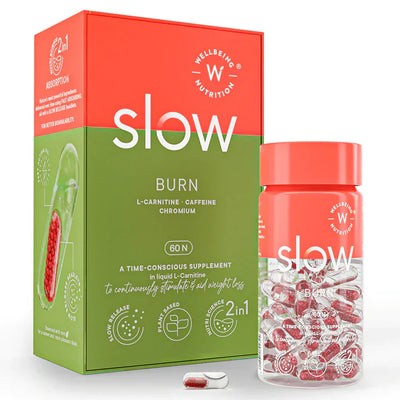
4. Caffeine Alternatives (L-Carnitine)
For those sensitive to caffeine, L-carnitine offers a gentler approach. Rather than stimulating the nervous system, L-carnitine helps transport fatty acids into mitochondria, where they are converted into energy (NIH Office of Dietary Supplements, 2024).
Why it’s useful:
-
Supports fat-to-energy conversion
-
Enhances exercise performance
-
Caffeine-free metabolic support
Quick Comparison Table
|
Ingredient |
Primary Role |
Best For |
Stimulant-Free |
|
Green Tea Extract (EGCG) |
Metabolism + fat oxidation |
Metabolic support |
Mostly |
|
CLA |
Body fat reduction |
Body composition |
Yes |
|
Garcinia Cambogia |
Appetite control |
Portion management |
Yes |
|
L-Carnitine |
Fat-to-energy transport |
Exercise + metabolism |
Yes |
How to Choose the Right Supplement for Weight Management
Start by identifying your primary goal:
-
Fat loss focus: CLA or Garcinia Cambogia
-
Metabolic health: Green tea extract or L-carnitine
-
Exercise support: L-carnitine combined with green tea extract
For sustainable weight loss, try CLA or Garcinia Cambogia for fat loss support, combined with a metabolic booster like green tea extract. This approach supports both sides of the equation: reducing fat storage while improving energy utilization.
Lifestyle factors such as stress, sleep, and training routine also matter—supplements work best when aligned with real-life habits.
Supplement Safety, Dosage & Quality Considerations
While these ingredients are generally well tolerated, responsible dosing matters.
Typical evidence-based ranges:
-
Green tea extract (EGCG): 250–500 mg daily
-
CLA: 3–6 g daily
-
Garcinia Cambogia (HCA): 500–1500 mg daily
-
L-Carnitine: 500–2000 mg daily
Avoid stacking multiple metabolism boosters, especially if they contain hidden stimulants. Always choose products that are third-party tested and compliant with UAE regulations.
Supplements complement—but do not replace—a balanced diet and regular movement. They are tools to support metabolism and fat management safely.
FAQs About Weight Management Supplements
1. What’s the difference between fat loss supplements and metabolism boosters?
Fat loss supplements focus on reducing stored fat or appetite (CLA, Garcinia), while metabolism boosters improve how efficiently your body burns energy (Green tea extract, L-carnitine).
2. How long does it take to see results?
Subtle improvements in energy or appetite can appear within 2–4 weeks, while visible body composition changes usually take 8–12 weeks with proper diet and exercise.
3. Can I take these supplements with other weight management products?
Yes, but avoid overlapping ingredients, especially stimulants. Combining non-stimulant options like CLA, L-carnitine, and green tea extract is generally safer.
References :
-
Hursel, R., Viechtbauer, W., & Westerterp-Plantenga, M. S. (2009). Green tea catechins and body-weight regulation. Obesity Reviews.
-
Whigham, L. D., Watras, A. C., & Schoeller, D. A. (2007). Conjugated linoleic acid: A review of safety and efficacy. American Journal of Clinical Nutrition.
-
Onakpoya, I., Hung, S. K., Perry, R., Wider, B., & Ernst, E. (2011). The use of Garcinia cambogia as a weight loss supplement: A systematic review and meta-analysis of randomized clinical trials. Journal of Obesity.
-
NIH Office of Dietary Supplements. (2024). Carnitine Fact Sheet for Health Professionals.